
Let's Play Monopoly...AntiTrust Edition

NiKole "Technikole" Maxwell
Chief Innovation & Implementation Strategist
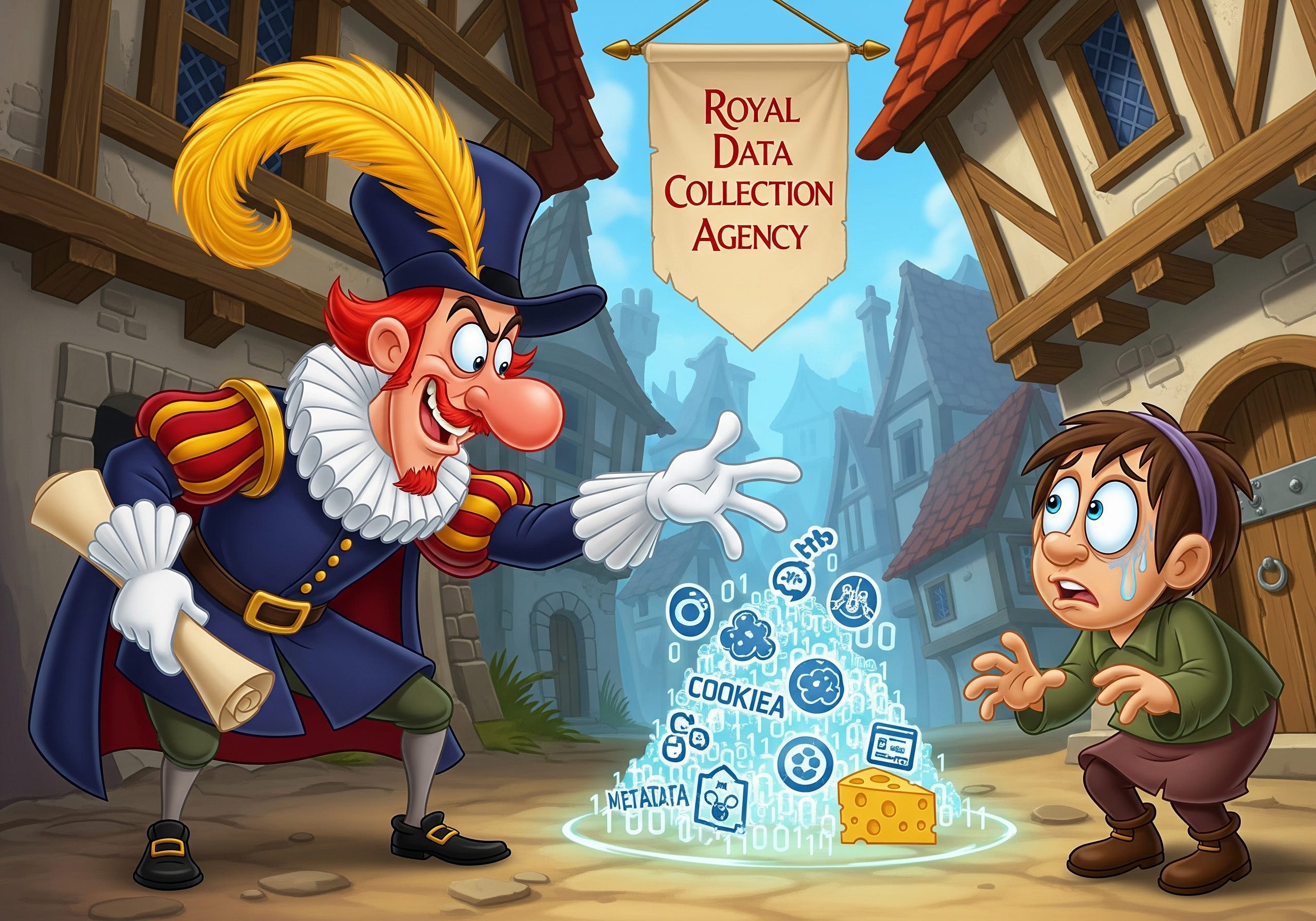
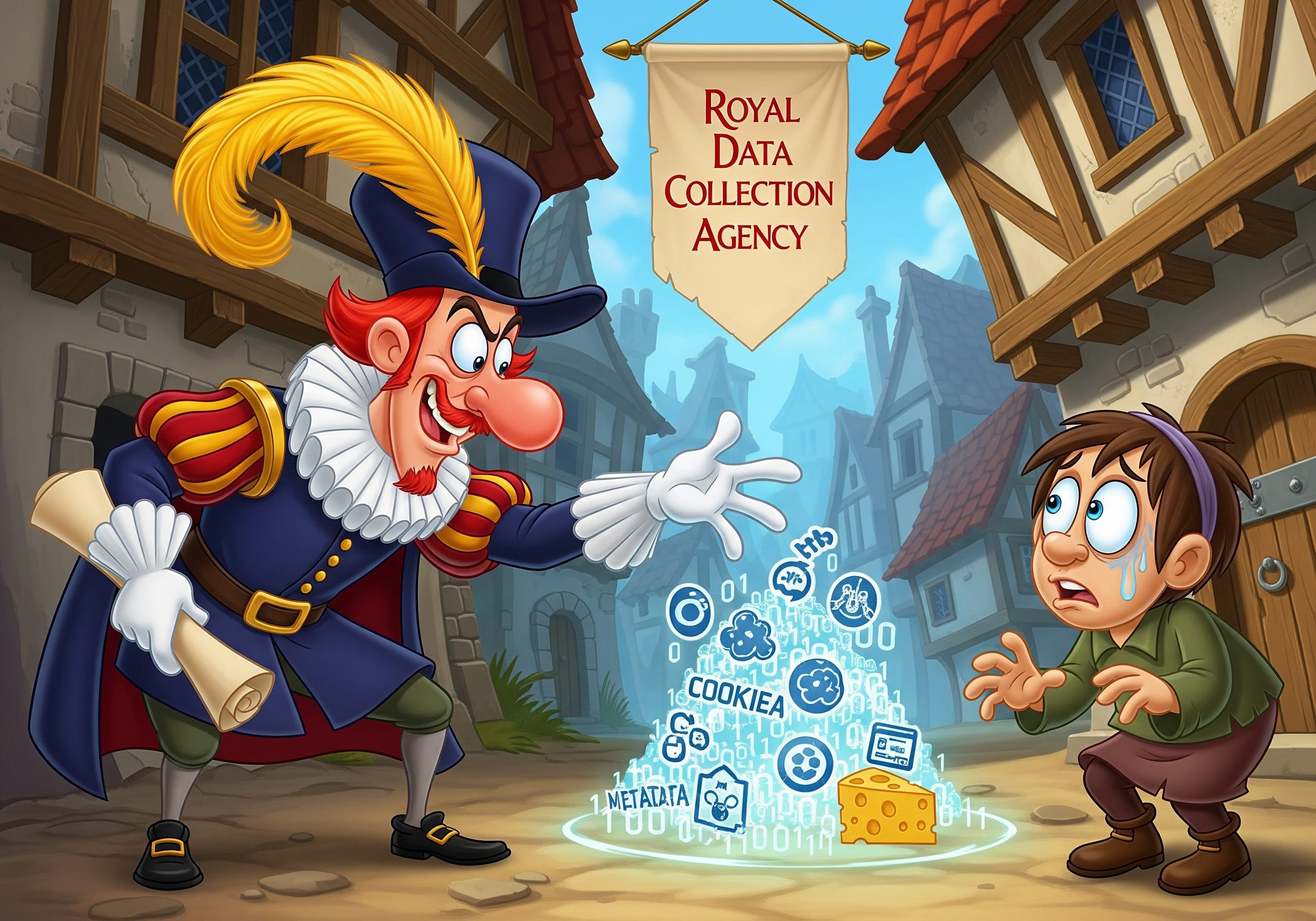 Royal Data Collection Agency Cometh…there has to be a better way.
Imagine that…you have no say so over your data or who gets to see it…
So, let’s talk about the earthquake that just rocked the digital world. A US federal judge has decided that Google, the big G, the keeper of all our digital secrets, has to share our data with its competitors. Yes, you read that right. The data you generate every time you search for a recipe, a diagnosis for that weird rash, or directions to a new brunch spot is now on the table to be divvied up. And you don’t get a say.
Don’t doom scroll this. This is a fundamental shift in the digital landscape, and it has everything to do with you, your business, and your right to privacy. As someone who lives and breathes digital transformation, I’m here to tell you that while the intention might be to foster competition, the execution feels like a massive overstep. It’s like finding out the secret family recipe you’ve perfected for generations is being handed over to every restaurant on the block. Unacceptable.
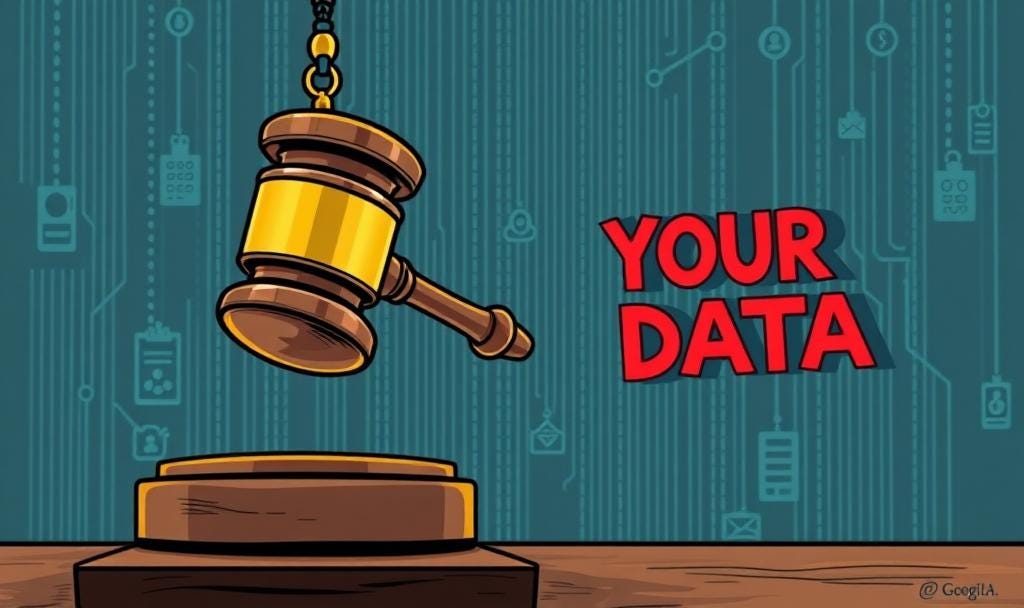 A satirical cartoon image of a gavel dropping on your data.
The Gavel Has Dropped, But Who Really Wins?
The court’s ruling is a double-edged sword. On one hand, it’s a slap on the wrist for Google’s alleged “monopoly”. The judge has banned Google from making those cozy, exclusive deals that keep its search engine locked in as the default on pretty much every device you own. This is supposed to give other search engines a fighting chance. The idea is to break up the digital “monopoly” and give us, the consumers, more choice.
This part though ➡️ Google has been ordered to share specific search data with these so-called competitors. We’re talking about your search index data, your click data, your user interaction data. In short, the digital breadcrumbs that create a detailed map of your life. And while the court stopped short of breaking up Google’s core products like Chrome and Android, this data-sharing mandate is a huge red flag.
Google, for its part, is appealing the decision, citing concerns about user privacy. And for once, I have to say, I see their point. It feels a little like the digital equivalent of being forced to hand over your house keys to the entire neighborhood to “promote a more competitive housing market.” It’s a solution that creates a whole new set of problems.
The Gilded Cage of the Walled Garden
This whole situation highlights a concept we in the tech world call “lock-in.” It’s the reason you have a Gmail account that syncs with your Google Calendar, which connects to your Google Maps, which saves your photos to Google Photos. It’s convenient, yes, but it’s also a beautifully constructed cage. You’re so deeply embedded in the ecosystem that leaving feels impossible aka Apple (yes I said it).
And that’s the real monopoly here. It’s not just about search; it’s about the seamless integration of services that makes life easier while simultaneously making it harder to leave. This ruling doesn’t dismantle the cage; it just gives other companies a peek inside. It doesn’t give you more control; it just changes who gets to see your data.
Your Data, Your Rules? Not Anymore.
I, like many of you, made a conscious choice. I chose to use Google’s services just like you may choose to use Apple. I did not choose to have my data shared with Meta, a platform I actively avoid for anything other than a simple business presence. This ruling strips away that choice. It tells us that the data we create is not our own to transact with. That it (our data) belongs to the highest bidder, or in this case, everyone that fits under the umbrella of the order. I mean that is a problem too. Its like why do we have cookie protections if you are just going to go hand over our intelligence to some literally all of the places where our data was not.
This is a gross violation of privacy, transparency, and choice for the individual. It’s a step backward in an era where we should be moving toward more individual control and data ownership. The future of tech shouldn’t be about bigger companies getting a bigger piece of the pie; it should be about empowering individuals to own their own digital identities.
Side note: it also does nothing to punish Google besides the cost to establish distribution. All participants who want the search data and qualify to receive it, get it. Which means they will all have to go to Google to get it. By creating this so called punishment they’ve done the thing in which they were trying to prevent create a hierarchy where said companies now rely on Google to provide Google data.
The Decentralized Dream: A Way Forward
So, what’s the answer? It’s not about choosing between one tech giant or another. It’s about choosing a different system altogether. This is where decentralization comes in. Technologies like blockchain and Web3 are building a new internet, one where you own your data, you control your digital identity, and you decide who gets to access your information.
This isn’t some far-off, futuristic dream. It’s happening right now. And for small businesses, entrepreneurs, and anyone who believes in a more equitable digital future, this is the conversation we need to be having. It’s about building a future where you’re not just a user; you’re the owner (of your data).
 Decentralize the trust, transparency, permanency, a network run by us…
Take Back Control
This court ruling is a wake-up call. It’s a stark reminder that in the current system, we are the product. But it doesn’t have to be that way. It’s time to get educated, get engaged, and start exploring the alternatives.
If you’re feeling as outraged and concerned as I am, let’s talk. Let’s have a real conversation about what this means for your business and how you can start to decouple your data from these centralized giants. It’s time to move beyond the illusion of choice and start building a future where you are in control.
Ready to explore a more secure and decentralized digital future for your business? Book a consultation today and let’s start building a strategy that puts you in the driver’s seat.
NiKole "Technikole" Maxwell
Human ArchitectChief Innovation & Implementation Strategist. NiKole bridges the gap between abstract vision and technical reality, architecting the ecosystems where "Work" flows.
View Full Profile →Ready to Activate?
Turn this playbook into your reality.